THE MIDWEST
Our gathering occurs in the Midwest as it arguably enters its most consequential period of renewed geographic importance since the railroad/industrial era. The underlying geography of the American economy is changing in a way that increases the value of being in the middle. Long overlooked, the middle of the country is now resurgent with energy and vitality, filled with cosmopolitan cities, open landscapes, friendly people and a motivated, highly educated population. Its people represent a wide range of ethnicities and geographies while embracing family values, a pioneering spirit and innovative genius.
In 2025, the Midwest experienced positive net domestic migration for the first time in at least 15 years. In fact, every Midwestern state grew in population. That is a meaningful break from the longstanding pattern of people moving from the Midwest toward the South and West. At the same time, In many ways, the emerging economy of the country is placing greater value on things the Midwest possesses: unusually large amounts of land, water, energy, agricultural capacity, manufacturing expertise, transportation infrastructure, research universities, centrality, and comparatively affordable metropolitan areas.
The region possesses generations of knowledge about making things.
Manufacturing. Agriculture. Engineering. Logistics. Construction. Toolmaking. Automotive systems. Chemicals. Food processing. Medical technology. Aviation. Heavy equipment. Energy systems. This may help to explain why Federal and private capital is pouring into the region, with over $30 billion in private clean energy investments, over $46 billion in semiconductor projects, and ground zero in rebuilding critical materials supply chains.
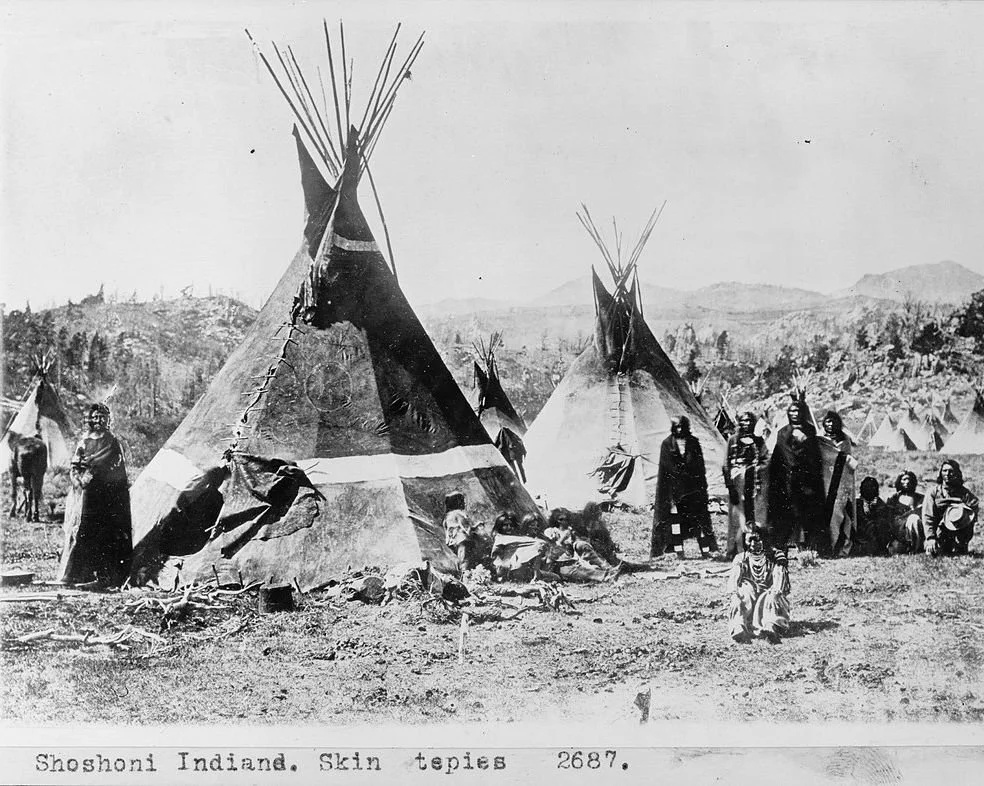
The people of the midwest have come from all over the world. Native Americans roamed the plains living in harmony with nature until the US Government took their land, displacing them. Yet their ways have not been forgotten. The last battles of the Civil War were fought here. The riots of the 60’s social movement played out in the streets of Chicago, Kansas City, St.Louis. Since then lower costs have offered migrants a softer landing spot than the Coasts. In 1990, only 3.6% of the Midwest's population was foreign-born. By 2024, it was 8.3%, doubling in one generation. Kansas City’ smetropolitan area's immigrant population went from only about 33,000 in 1990 to 135,000 in 2015. That's growth of more than 300%, while the metropolitan area's overall population increased only about 40%
Census data indicate that in 2024–25 domestic migration became Missouri’s largest source of population growth, replacing international migration.
As it turns out, migration is one of the mechanisms through which the Midwest has historically reinvented itself. The first great Midwest was built by migration. The next Midwest may be as well - as more midwesterners return home.
The Midwest has become strategically consequential. Whether it rises, stagnates, or fractures will tell us a great deal about what kind of country the United States becomes in the decade ahead
Among those of us who will be represented…
Scientists and business leaders co-creating a regional supply chain for critical materials in the midwest that will create 10,000 jobs;
Artists and designers fluent in technology who understand the dynamics of massive change and transformation;
Impact investors who manage billions of dollars and understand the importance of this moment in the current era.
Producers of large public immersive experiences that lead everyday local citizens to imagine a future they want to see, inspiring significant shifts in optimism and agency;
Innovators working with youth ages 16-21 as they world build the future of community centered mental health;
Technologists engineering compute arranged in nodes to power entrepreneurial ecosystems at 1/10 the environmental and physical footprint of mainstream data centers;
Founders of successful venture capital organizations investing in people of color;
Entrepreneurs listening to the voices of thousands of community members and then providing insights in a repository of “Ancestral Intelligence.”